
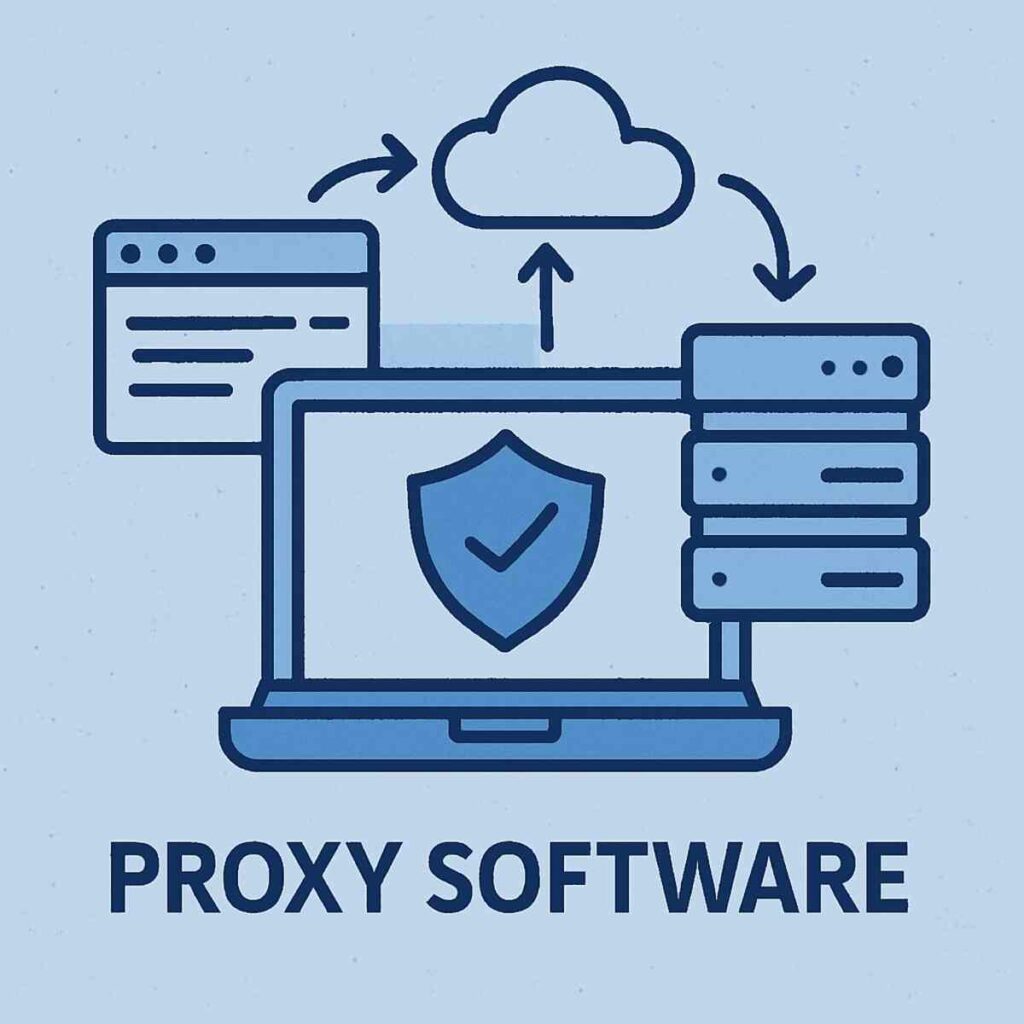

Proxy software serves as a gateway between you and the internet. When you use a proxy server, your internet requests are sent to the proxy server first, which then forwards them to your desired destination. This process masks your IP address, making it appear as though the requests are coming from the proxy server rather than your device. This masking function is one of the primary reasons individuals and businesses alike turn to proxy software. Find the best proxies for linkedin.
How Proxy Software Works
Proxy software operates by intercepting your internet traffic and rerouting it through an alternative pathway. This rerouting can alter the apparent origin of your online requests. By doing so, proxy servers can effectively anonymize your online presence. The server you are connecting to only sees the IP address of the proxy server, not your actual IP address, which adds a layer of anonymity.
Beyond anonymity, the way proxy software manages data transfer can also aid in managing bandwidth. This can be particularly useful in environments where bandwidth is a limited resource. By caching frequently accessed data, proxy servers can reduce the need for repetitive data requests, thus optimizing network efficiency.
The Role of IP Masking
Masking your IP address is a crucial function of proxy software. When your IP is hidden, it significantly enhances your ability to maintain privacy online. Websites and online services typically log IP addresses, which can be used to track your online activities. By using a proxy, you can prevent this tracking, ensuring that your browsing habits remain private.
In addition to privacy, IP masking can help you bypass various online restrictions. Many services restrict access based on geographic location, often using IP addresses to enforce these restrictions. By masking your IP, you can appear to be accessing the internet from a different location, thereby bypassing these geo-restrictions.
Applications in Various Sectors
Proxy software is not only beneficial for individual users but also plays a significant role in various sectors. In the corporate world, businesses use proxy servers to secure their networks and control employee internet usage. Educational institutions leverage proxies to filter content and protect students from harmful online material.
In the field of research, proxies allow professionals to access a broader range of information, which can be crucial for conducting comprehensive studies. By bypassing geo-blocks, researchers can access publications and data from around the world, thereby enriching their research capabilities.
Types of Proxy Software
There are several types of proxy software, each serving different purposes and offering varying levels of anonymity and security. Understanding these can help you choose the right solution for your needs:
Web Proxy
Often used to access websites anonymously, web proxies are user-friendly and accessible via a web browser without any additional software installation. They are ideal for users who wish to maintain anonymity without the complexity of configuring additional software. Web proxies are typically easy to use, requiring no technical expertise to set up.
However, web proxies may not offer the same level of security as other types of proxies. They often lack advanced encryption features, making them more suitable for casual browsing rather than activities that require high security. Despite this, they remain a popular choice for users seeking quick and easy anonymity.
Anonymous Proxy
These proxies do not reveal your IP address, providing a higher degree of anonymity compared to web proxies. They are particularly useful for users who prioritize privacy and wish to ensure that their online activities are not tracked. Anonymous proxies can offer a significant advantage in environments where privacy is a concern.
In addition to anonymity, these proxies can also help circumvent restrictions imposed by certain websites or services. By masking your IP address, they allow you to access content that may otherwise be blocked based on your geographic location. This makes anonymous proxies a versatile tool for both privacy and accessibility.
Transparent Proxy
Used mainly for content filtering and caching, transparent proxies do not hide your IP address but can enhance browsing speed and reduce bandwidth usage. They are commonly deployed in organizational settings, such as schools or businesses, where monitoring and controlling internet usage is important.
Transparent proxies work by caching frequently accessed data, reducing the need for repeated data requests. This caching capability can significantly improve network performance, especially in environments with high traffic volumes. Despite not providing anonymity, transparent proxies offer substantial benefits in terms of efficiency and control.
Reverse Proxy
Positioned on the server side, reverse proxies are used to distribute client requests and improve load balancing and security. They act as a middleman between clients and servers, ensuring that requests are efficiently distributed among multiple servers. This can enhance the performance and reliability of web services.
Reverse proxies are particularly valuable for websites experiencing high traffic. By balancing the load across several servers, they prevent any single server from becoming overwhelmed. Additionally, reverse proxies can provide a layer of security by masking the IP addresses of backend servers, protecting them from direct exposure to the internet.
SOCKS Proxy
SOCKS proxies operate at a lower level than HTTP proxies, meaning they are able to handle any type of internet traffic, not just web traffic. This makes them highly versatile and suitable for a variety of applications, such as gaming, video streaming, and downloading. SOCKS proxies offer flexibility by supporting different protocols.
While they don’t inherently encrypt traffic, SOCKS proxies can be used in conjunction with additional security measures to enhance privacy. This flexibility allows users to tailor their proxy setup according to specific needs, making SOCKS proxies a preferred choice for users requiring more than just basic web browsing capabilities.
Each type of proxy software offers unique benefits, and understanding these can guide you in selecting the most appropriate option for your particular situation.
Benefits of Using Proxy Software
Enhanced Privacy and Anonymity
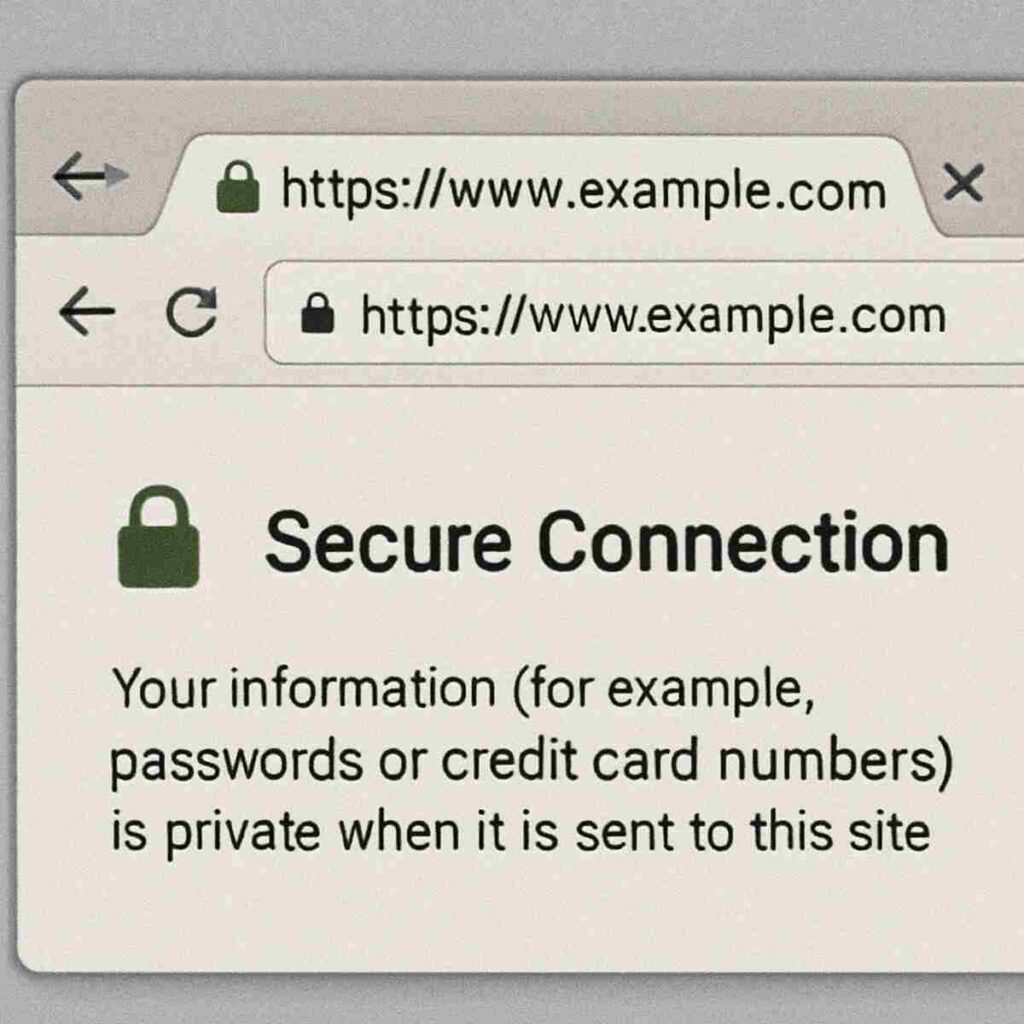
One of the most significant advantages of proxy software is its ability to enhance your privacy online. By masking your IP address, proxies make it difficult for websites and third parties to track your online activities. This is particularly useful if you wish to maintain anonymity while browsing the internet or accessing restricted content.
Proxy servers can also encrypt your data, adding layer of security that protects sensitive information from potential cyber threats. This feature is invaluable for individuals who frequently use public Wi-Fi networks, which are often less secure and more susceptible to cyberattacks.
Moreover, enhanced privacy is crucial in protecting against intrusive advertising. Many advertisers track your online behavior to deliver targeted ads, which can feel invasive. By using a proxy, you can mitigate this tracking, resulting in a more private and less cluttered online experience.
Access to Geo-Restricted Content
Proxy software can also provide access to geo-restricted content. Many streaming services, websites, and online platforms restrict access based on geographic location. By routing your requests through a proxy server located in a different country, you can bypass these restrictions and access content that would otherwise be unavailable.
This capability is particularly beneficial for users who travel frequently or reside in regions with stringent internet censorship. Whether you’re looking to access a specific streaming service or read news from another country, proxy software can facilitate a broader, more open internet experience.
For content creators and businesses, accessing geo-restricted content can be essential for market research. Understanding different regional markets and consumer preferences requires access to local content. Proxy software allows businesses to analyze competitors and trends in various regions, providing valuable insights for strategic planning.
Improved Security
For businesses, proxy software can play a crucial role in enhancing network security. By routing internet traffic through a proxy server, companies can monitor and filter content, blocking access to malicious websites and preventing data breaches. This is especially important for protecting sensitive corporate information and maintaining compliance with data protection regulations.
Additionally, proxies can be used to control employee internet usage, preventing access to non-work-related websites and reducing the risk of malware infections. With a well-configured proxy server, businesses can create a secure and productive online environment.
Proxy software also offers defense against Distributed Denial of Service (DDoS) attacks. By masking the IP addresses of servers, proxies can help prevent attackers from targeting specific servers directly, mitigating the risk of service disruptions. This security measure is crucial for maintaining the availability and reliability of online services.
Optimized Network Performance
Proxy servers can also improve network performance by caching frequently accessed content. When a user requests a webpage, the proxy server checks if it has a cached copy, delivering it directly to the user without needing to fetch it from the internet again. This reduces load times and conserves bandwidth, resulting in a smoother browsing experience.
For organizations with high volumes of internet traffic, this feature is particularly advantageous. By reducing the strain on network resources, proxies can help maintain fast and reliable internet speeds, even during peak usage periods.
In addition to improving speed, optimized network performance can lead to cost savings. By reducing bandwidth consumption, businesses can lower their internet expenses, which can be significant in environments with extensive data usage. This efficiency makes proxies a cost-effective solution for managing network resources.
Enhanced Control and Monitoring
Proxy software provides organizations with enhanced control and monitoring capabilities. By routing traffic through a proxy, administrators can track and log internet usage, gaining valuable insights into user behavior. This data can be used to identify potential security threats and ensure compliance with company policies.
Moreover, proxies allow businesses to enforce internet usage policies effectively. By blocking access to specific websites or content categories, organizations can prevent distractions and improve productivity. This control over internet access ensures that resources are used efficiently and aligns with organizational goals.
The ability to monitor internet usage also aids in compliance with legal and regulatory requirements. Many industries have strict data protection and privacy regulations that require organizations to monitor and manage internet traffic. Proxy software provides the tools needed to meet these obligations and avoid potential penalties.
Choosing the Right Proxy Software
When selecting proxy software, it’s essential to consider your specific needs and requirements. Here are some factors to keep in mind:
Free vs. Paid Proxy Software
While free proxy services are widely available, they often come with limitations, such as slower speeds, fewer server locations, and potential security risks. Paid proxy services, on the other hand, typically offer faster speeds, more reliable connections, and enhanced security features. If privacy and performance are your top priorities, investing in a reputable paid proxy service is advisable.
Free proxies may also lack customer support, leaving users without assistance in resolving issues. In contrast, paid services often provide dedicated support teams to help with configuration and troubleshooting. This support can be invaluable, especially for users with limited technical expertise.
Another consideration is the potential for data logging. Some free proxies may log user data and sell it to third parties, compromising privacy. Paid services are more likely to have strict privacy policies and no-logging guarantees, ensuring that your data remains private and secure.
Compatibility and Ease of Use
Ensure that the proxy software you choose is compatible with your devices and operating systems. Some proxies may require manual configuration, while others offer user-friendly interfaces and browser extensions for easy setup. Consider your technical proficiency and choose a solution that aligns with your comfort level.
Compatibility is especially important for organizations with diverse IT environments. Proxy software should seamlessly integrate with existing systems to avoid disruptions. Before selecting a proxy, verify its compatibility with your network infrastructure to ensure a smooth implementation.
User-friendliness is another key consideration. For individuals and businesses alike, a solution that is easy to use will encourage widespread adoption and minimize the learning curve. Look for proxies that offer intuitive interfaces and clear setup instructions to ensure a hassle-free experience.
Security Features
Evaluate the security features offered by different proxy services. Look for options that provide robust encryption, malware protection, and data privacy measures. These features are crucial for safeguarding your online activities and sensitive information.
In addition to basic security features, consider any advanced options that may be available. Some proxies offer additional protections, such as DDoS mitigation and intrusion detection systems, which can enhance overall security. These features can be particularly beneficial for businesses that handle sensitive data or operate in high-risk environments.
Transparency and accountability are also essential. Choose a proxy service that clearly outlines its security practices and privacy policies. Understanding how your data is handled and protected will give you confidence in the security of your proxy solution.
Conclusion
Proxy software offers a multitude of benefits, from enhancing your privacy and security to providing access to restricted content and optimizing network performance. By understanding the different types of proxies and their respective advantages, you can make an informed decision on the best solution for your needs.
Whether you’re an individual seeking anonymity online, a business aiming to secure its network, or simply looking to access content from around the world, proxy software can serve as a valuable tool in your digital arsenal. By choosing the right proxy solution, you can unlock a more secure, efficient, and unrestricted internet experience.
Investing in a suitable proxy service not only enhances your online security and privacy but also empowers you to navigate the internet without limitations. As the digital landscape continues to evolve, proxy software remains a critical component for maintaining control and flexibility in your online interactions.