


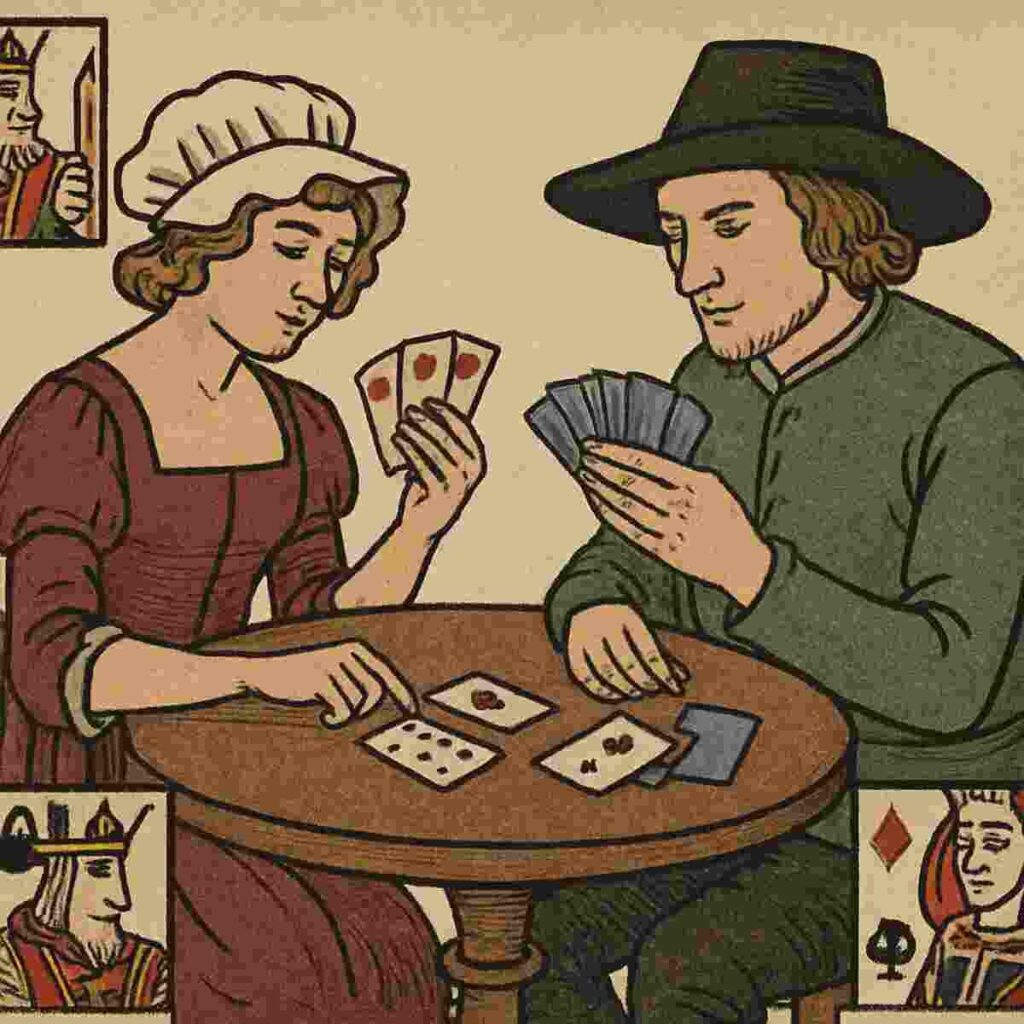
Card games have been a staple of entertainment for centuries, offering both a challenge and a chance to unwind. Among the myriad of card games available, those played with a 32-card deck hold a unique position. These games are not only steeped in tradition but also require a blend of skill, strategy, and luck to master. In this article, we’ll delve into the fascinating world of 32-card games, exploring their rules, strategies, and the enjoyment they bring to players around the globe. To know more, check out NEMO189
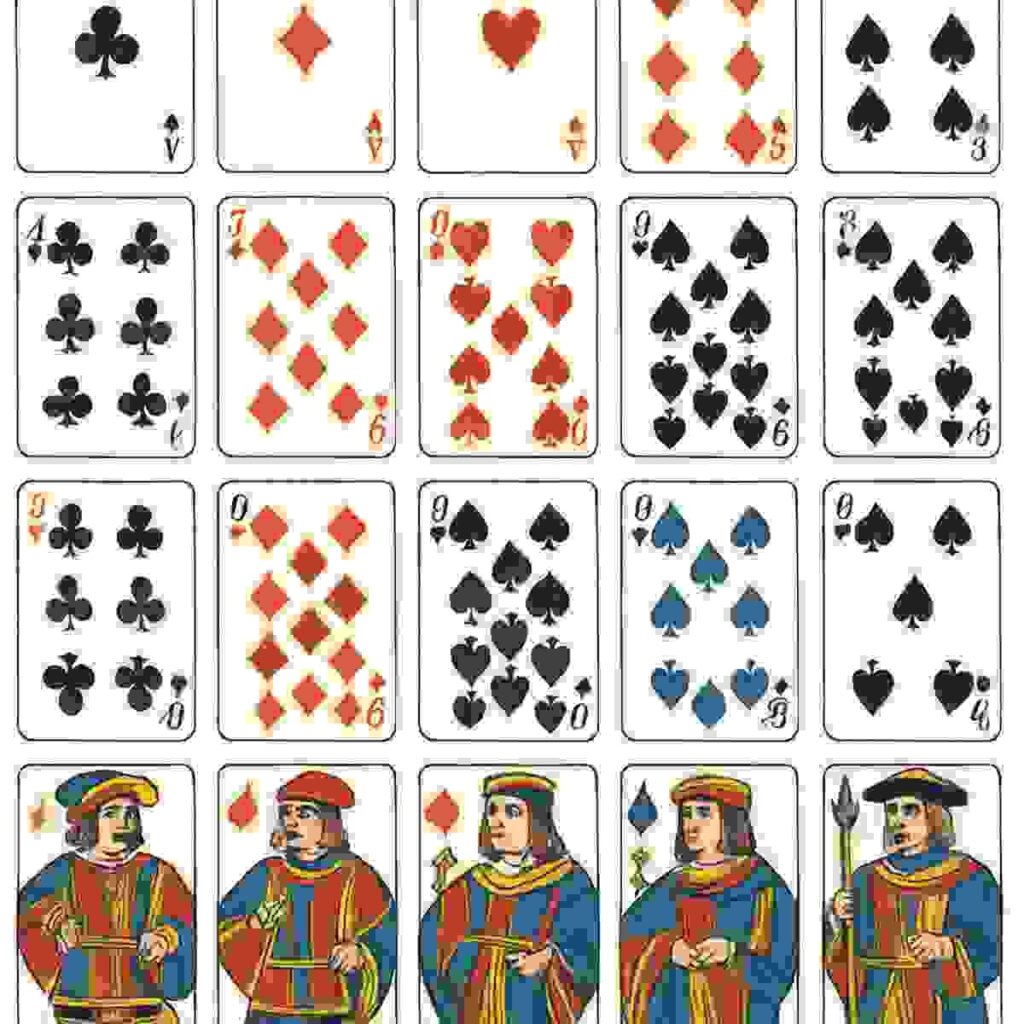
The 32-card deck is a variation of the standard 52-card deck, typically used in popular games like poker and blackjack. However, in a 32-card deck, all cards below the rank of seven are removed, leaving only the sevens through aces in each suit. This smaller deck is used in several traditional European games, each with its unique set of rules and strategies.
The Origins of the 32-Card Deck
The history of the 32-card deck is as rich and varied as the games it supports. Originating in Europe, it was first adopted for games that required a more refined and quick style of play. Historically, these games were favored by nobility who sought a more challenging and strategic gameplay compared to their 52-card counterparts.
Unique Characteristics of the 32-Card Deck
The 32-card deck offers a distinctive gaming experience. With fewer cards, the probability calculations become more predictable, allowing seasoned players to develop and execute more intricate strategies. The reduced number of cards also means games are typically shorter, making them ideal for quick sessions or tournament play.
Cultural Significance
In many European countries, the 32-card deck is not just a tool for games but a cultural artifact. It represents a historical tradition of gaming that has been passed down through generations. In countries like France and Germany, these card games are often associated with social gatherings and family traditions, highlighting their cultural importance.
Popular Games with a 32-Card Deck
Some of the most renowned games played with a 32-card deck include Skat, Belote, and Piquet. Each of these games offers a different experience and requires players to employ various strategies to succeed.
Skat
Originating from Germany, Skat is a three-player game that combines elements of trick-taking and bidding. It is widely regarded as Germany’s national card game. The game involves a complex scoring system and requires players to carefully consider their bids and play strategies.
Historical Background of Skat
Skat has a storied history that dates back to the early 19th century. It was developed in Altenburg, Germany, and has evolved over the years, maintaining its status as a beloved national pastime. Its complexity and depth have kept it relevant and engaging for players across generations.
Strategic Depth
The strategic elements of Skat are manifold. Players must not only focus on winning tricks but also on outsmarting their opponents through clever bidding and card play. The game demands a high level of concentration and foresight, making it a favorite among strategy enthusiasts.
Community and Competitions
Skat is not only played casually but also in formal competitions. Tournaments are organized worldwide, where players compete for prestige and prizes. These events foster a sense of community among Skat enthusiasts and contribute to the game’s enduring popularity.
Belote
Belote is a trick-taking game that is particularly popular in France and other parts of Europe. Played with two teams of two players each, Belote requires cooperation and communication between partners to outsmart the opposing team.
The French Connection
Belote has deep roots in French culture, often played in cafes and homes alike. It serves as a social glue, bringing people together in a shared appreciation of strategy and camaraderie. Its influence extends beyond France, with variations played in several other countries.
Team Dynamics
The essence of Belote lies in teamwork. Successful play requires seamless communication and trust between partners. Players must anticipate each other’s moves and adapt their strategies accordingly, creating a dynamic and engaging gameplay experience.
Variations and Adaptations
Belote has inspired numerous variations, each adding its own twist to the classic game. From Coinche to Contrée, these adaptations offer fresh challenges and keep the game evolving, ensuring its continued appeal across different regions.
Piquet
Piquet is a classic two-player card game that dates back to the 16th century. It involves a combination of trick-taking and melding phases, challenging players to balance their strategies between capturing tricks and forming valuable melds.
Historical Legacy
As one of the oldest card games, Piquet has a rich legacy. Its origins trace back to the French nobility, and over the centuries, it has retained its allure as a sophisticated and strategic game. Its endurance is a testament to its balanced mechanics and engaging gameplay.
Balancing Act
The dual focus of Piquet on both trick-taking and melding sets it apart from other card games. Players must adeptly switch between these two strategies, maintaining a delicate balance to outscore their opponent. This complexity offers a rewarding challenge for those who master it.
Competitive Play
Piquet, like other 32-card games, has a competitive scene. Players often engage in friendly matches and tournaments, honing their skills and strategies. These gatherings not only test players’ abilities but also celebrate the game’s enduring appeal.
Basic Rules of 32-Card Games
While each 32-card game has its own specific rules, there are some common elements that players can expect.
Card Ranking and Suits
In a 32-card deck, the cards are ranked from the highest to lowest as follows: Ace, King, Queen, Jack, 10, 9, 8, and 7. Understanding the hierarchy of cards is crucial when playing any game with a 32-card deck, as it influences both the bidding and trick-taking phases.
Importance of Card Hierarchy
The ranking of cards dictates gameplay decisions. Players must be acutely aware of this hierarchy to make strategic choices during both bidding and play. This awareness can mean the difference between victory and defeat, particularly in closely matched games.
Suit Influence
Suits also play a critical role in 32-card games. Certain games assign specific roles or values to suits, affecting how players approach their hands. Understanding these nuances is essential for effective gameplay and can provide a strategic edge.
Adapting to Different Games
Each game utilizes the card hierarchy and suits differently. Familiarity with these variations is key to transitioning between games smoothly. By mastering the fundamental rules, players can quickly adapt and excel in multiple 32-card games.
Trick-Taking Mechanics
Most 32-card games involve trick-taking, where players aim to win rounds by playing the highest card in each trick. The number of tricks won often determines the scoring and outcome of the game. Players must be strategic in deciding which cards to play and when, as this can significantly impact their success.
The Art of Trick-Taking
Trick-taking is both an art and a science. It requires players to anticipate opponents’ moves and strategically play their own cards. Mastering this aspect of the game involves a blend of intuition, calculation, and psychological insight.
Timing and Precision
In trick-taking games, timing is everything. Players must decide when to play their strongest cards and when to hold back. This decision-making process is crucial and can often determine the outcome of a game.
Psychological Elements
Trick-taking also involves a psychological component. Players must read their opponents’ intentions and adjust their strategies accordingly. This mental game adds an additional layer of complexity, making trick-taking both challenging and rewarding.
Bidding and Scoring
Bidding is a common feature in many 32-card games. Players must assess the strength of their hand and decide whether to bid for the right to choose the trump suit or to pass. Successful bidding often requires keen intuition and the ability to predict opponents’ hands.
Assessing Hand Strength
The first step in successful bidding is evaluating one’s hand. Players must quickly ascertain the potential of their cards and make informed decisions about whether to bid. This assessment is crucial and can significantly impact the game’s outcome.
Strategic Bidding
Bidding is not just about hand strength; it’s also a strategic maneuver. Players must consider their opponents’ potential hands and bid accordingly. This requires a blend of intuition, experience, and tactical thinking.
Scoring Systems
Different games employ various scoring systems, adding another layer of strategy. Players must understand these systems to maximize their scores and outmaneuver their opponents. Familiarity with scoring intricacies can provide a competitive advantage.
Strategies for Mastering 32-Card Games
To excel in 32-card games, players must develop effective strategies that take into account the unique aspects of each game. Here are some general tips to help you improve your gameplay:
Pay Attention to the Cards Played
Keeping track of the cards that have been played is essential. This information helps you deduce which cards remain in play, allowing you to make informed decisions about which cards to play next.
Memory and Observation
A sharp memory and keen observation skills are crucial for tracking played cards. Developing these abilities will enhance your decision-making and overall gameplay. Practice and focus are key to honing these skills.
Deducing Opponent’s Hands
By monitoring the cards played, you can infer your opponents’ remaining hands. This knowledge allows you to anticipate their moves and adjust your strategy accordingly. It’s a tactical advantage that can turn the tide in your favor.
Strategic Planning
Tracking cards also aids in strategic planning. Knowing which cards are still in play helps you devise a roadmap for upcoming rounds. This foresight is invaluable, especially in high-stakes situations.
Adapt to Your Opponents
Observing your opponents’ playing style and tendencies can provide valuable insights. Are they aggressive bidders? Do they tend to hold onto high cards until the end? Use this information to adapt your strategy and gain an advantage.
Analyzing Opponents’ Behavior
Careful analysis of opponents’ behavior can reveal patterns and tendencies. Recognizing these patterns enables you to predict their moves and counteract their strategies effectively. This analytical approach is crucial for success.
Flexibility in Strategy
Adaptability is a hallmark of skilled players. Being able to change your strategy on the fly in response to opponents’ actions is vital. This flexibility ensures you remain competitive throughout the game.
Exploiting Weaknesses
Identifying and exploiting opponents’ weaknesses is a powerful strategy. By capitalizing on their mistakes or predictable patterns, you can gain a significant advantage and tilt the game in your favor.
Manage Your Hand Wisely
Balancing your hand is crucial in 32-card games. Aim to maintain a mix of high and low cards, as well as a variety of suits. This flexibility will enable you to respond effectively to different situations throughout the game.
Hand Composition
A well-balanced hand is key to success. Strive for a mix of high-value and low-value cards, ensuring you have options for various scenarios. This balance provides versatility and strategic depth.
Suit Diversity
Maintaining a diverse range of suits enhances your strategic options. It allows for greater flexibility in gameplay and can prevent opponents from easily predicting your moves. Suit diversity is a subtle yet powerful aspect of hand management.
Anticipating Game Flow
Effective hand management involves anticipating the flow of the game. By predicting future rounds and adjusting your hand accordingly, you can maintain control and increase your chances of success.
Practice and Patience
Like any skill, mastering 32-card games takes time and practice. Be patient with yourself and don’t be discouraged by losses. Each game is an opportunity to learn and refine your strategies.
The Learning Process
Every game provides valuable lessons. Embrace each experience as a chance to improve and evolve as a player. This mindset fosters growth and resilience.
Incremental Improvement
Focus on incremental improvement rather than immediate mastery. Set small, achievable goals for each session, and celebrate your progress. This approach keeps motivation high and encourages continuous development.
Building Confidence
Confidence is built through practice and experience. As you become more familiar with the games and strategies, your confidence will grow. This confidence, in turn, enhances your gameplay and enjoyment.
The Joy of Playing 32-Card Games
The appeal of 32-card games lies not only in their strategic depth but also in the social interactions they foster. These games bring people together, encouraging communication, camaraderie, and friendly competition. Whether you’re playing with friends, family, or fellow enthusiasts, 32-card games offer a delightful way to connect and enjoy each other’s company.
Social Connections
Playing 32-card games creates opportunities for social interaction. These games serve as a medium for building and strengthening relationships, providing a shared activity that transcends age and background.
Family Traditions
Many families have longstanding traditions of playing 32-card games. These traditions foster a sense of continuity and connection, creating cherished memories and bonding experiences across generations.
Community Engagement
Beyond family, 32-card games are a cornerstone of community gatherings. Whether in local clubs or international tournaments, these games bring people together in a shared pursuit of enjoyment and competition.
Mental Stimulation
The strategic nature of 32-card games provides mental challenges that keep players engaged and mentally sharp. These games offer an enjoyable way to exercise cognitive skills and enhance mental acuity.
Cognitive Benefits
Regularly playing 32-card games can improve memory, concentration, and problem-solving abilities. The mental stimulation provided by these games contributes to cognitive health and well-being.
Stress Relief
Engaging in card games offers a break from daily stressors. The focus required during gameplay provides a respite from everyday concerns, promoting relaxation and mental rejuvenation.
Global Appeal
32-card games have a universal appeal that transcends cultural and linguistic barriers. They are played and enjoyed worldwide, highlighting their timeless and widespread popularity.
Cultural Exchange
Playing 32-card games offers a window into different cultures and traditions. Engaging with international players can provide insights into diverse gaming styles and enhance cross-cultural understanding.
Universal Language
These games serve as a universal language of fun and strategy. Regardless of location or language, players can connect through the shared enjoyment of 32-card games, fostering a sense of global community.
Conclusion
32-card games present a unique blend of strategy, skill, and chance that has captivated players for generations. By understanding the rules, developing effective strategies, and embracing the social aspects of these games, you can enhance your enjoyment and success. So gather your deck, invite some friends, and immerse yourself in the timeless pleasure of 32-card games. Happy playing!