
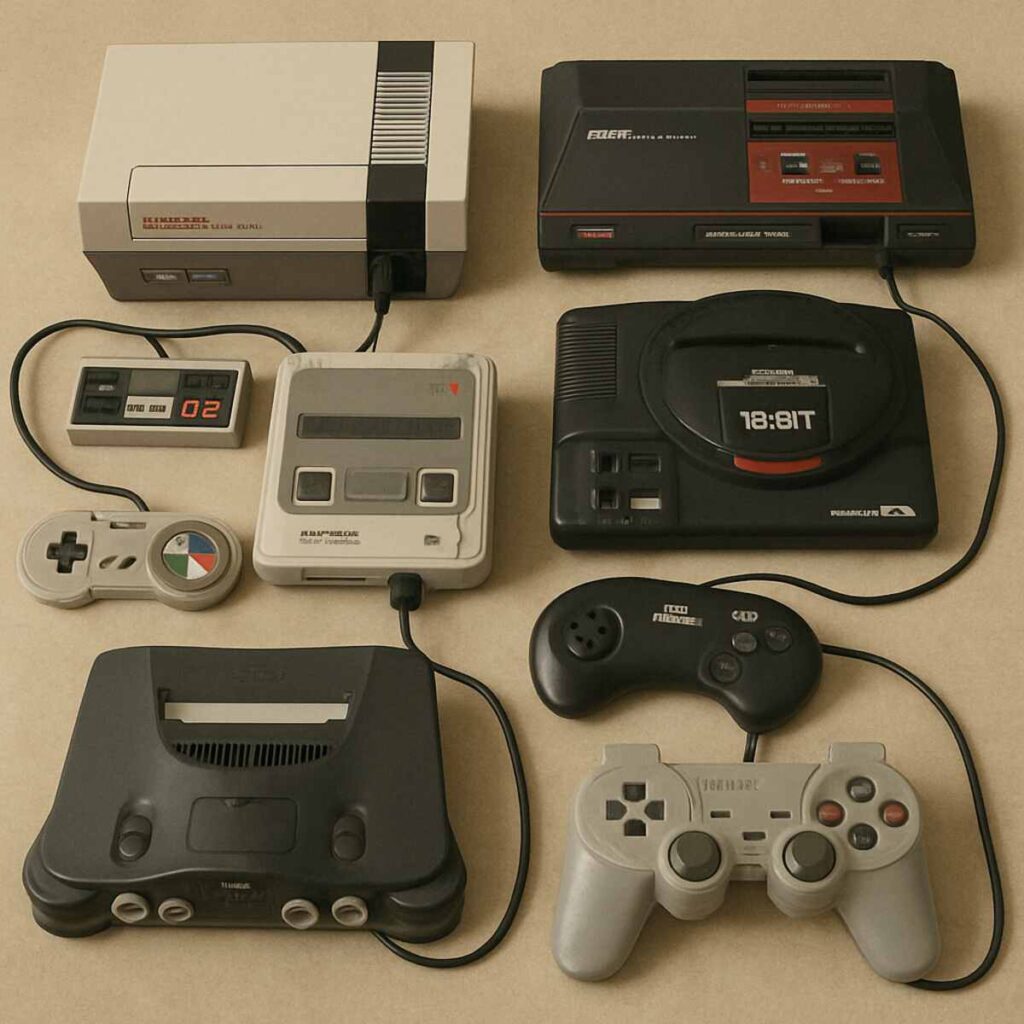

In an era where cutting-edge technology and hyper-realistic graphics dominate the gaming industry, a fascinating counter-movement is capturing the hearts of gamers worldwide: the resurgence of retro game consoles. This revival, characterized by a renewed interest in vintage gaming systems and retro handheld game consoles, serves as a testament to the enduring charm of simpler times in gaming. This article delves into the current trends in retro video games and explores the reasons behind their increasing popularity. Check out tenbuckgifts.com to know more
The nostalgic appeal of retro game consoles is perhaps their most compelling attribute. These devices transport players back to the golden age of gaming, a period marked by pixelated graphics, chip-tune soundtracks, and straightforward gameplay. But why are these vintage systems making such a strong comeback?
A Journey Back in Time
Retro game consoles provide an opportunity to revisit the past, offering both seasoned gamers and newcomers a glimpse into the origins of modern gaming. For many, playing a classic game like “Super Mario Bros.” or “The Legend of Zelda” is not just about the gameplay but about reliving childhood memories and the sense of wonder that came with discovering these worlds for the first time. These games often embody a simplicity and directness that is lost in the complexity of modern gaming titles, making them a refreshing change for those seeking to escape today’s fast-paced digital life.
Additionally, these games serve as a historical archive, showcasing the evolution of game design and technology. By engaging with these older titles, players can appreciate the strides made in storytelling, graphics, and gameplay mechanics over the decades. The chance to experience the foundational elements of modern gaming in their original form is a unique opportunity that captivates many enthusiasts.
Moreover, the tactile experience of using a classic controller and the distinctive sounds of older consoles loading games have a sensory appeal that many players find irresistible. These elements contribute to a holistic nostalgic experience, connecting players to a specific time and place in their personal histories or in the broader history of gaming itself.
Collectability and Community
The collectability of retro game consoles also fuels their popularity. Enthusiasts often scour flea markets, online auctions, and specialty stores to find rare or mint-condition systems and games. This pursuit fosters a sense of community among collectors, who frequently exchange tips, trade items, and share their passion for retro video games through online forums and social media platforms.
For many, collecting isn’t just about owning rare items; it’s about the thrill of the hunt and the stories behind each acquisition. Finding a rare cartridge in pristine condition can be as exhilarating as playing the games themselves. The community aspect of collecting also offers a sense of belonging and shared purpose, as collectors connect over their shared interests and experiences.
Online communities and forums dedicated to retro gaming provide a platform for enthusiasts to share their collections, discuss the history and significance of different consoles, and offer advice on restoration and preservation techniques. This collaborative spirit helps preserve the legacy of retro gaming for future generations, ensuring that these vintage systems and the culture surrounding them remain vibrant and accessible.
Moreover, the rise of social media has amplified the visibility of retro gaming culture, allowing collectors and enthusiasts to reach a wider audience. Influencers and content creators often showcase their collections and share gameplay experiences, further fueling interest in retro consoles and games. This digital exposure has helped bridge the gap between generations, introducing younger audiences to the charm and allure of vintage gaming.
The Emotional Connection
Beyond nostalgia and collectability, the emotional connection that players have with retro game consoles is significant. For many, these consoles represent a simpler time in their lives, free from the complexities and challenges of adulthood. Playing these games can evoke feelings of comfort and familiarity, offering a temporary escape from the stresses of modern life.
This emotional connection is also evident in the way players bond over shared gaming experiences. Many friendships and family relationships have been strengthened through gaming, and revisiting these classic titles can rekindle those connections. Parents who played these games in their youth can now share them with their children, creating new memories and passing on the legacy of retro gaming.
The sentimental value of retro consoles often transcends their monetary worth, making them cherished possessions for many gamers. Whether it’s the console they received as a gift on a special occasion or the one they saved up for with their allowance, these gaming systems hold a special place in the hearts of those who grew up with them. This deep-seated emotional attachment is a powerful driver of the retro gaming revival.
Technological Resurgence and Accessibility
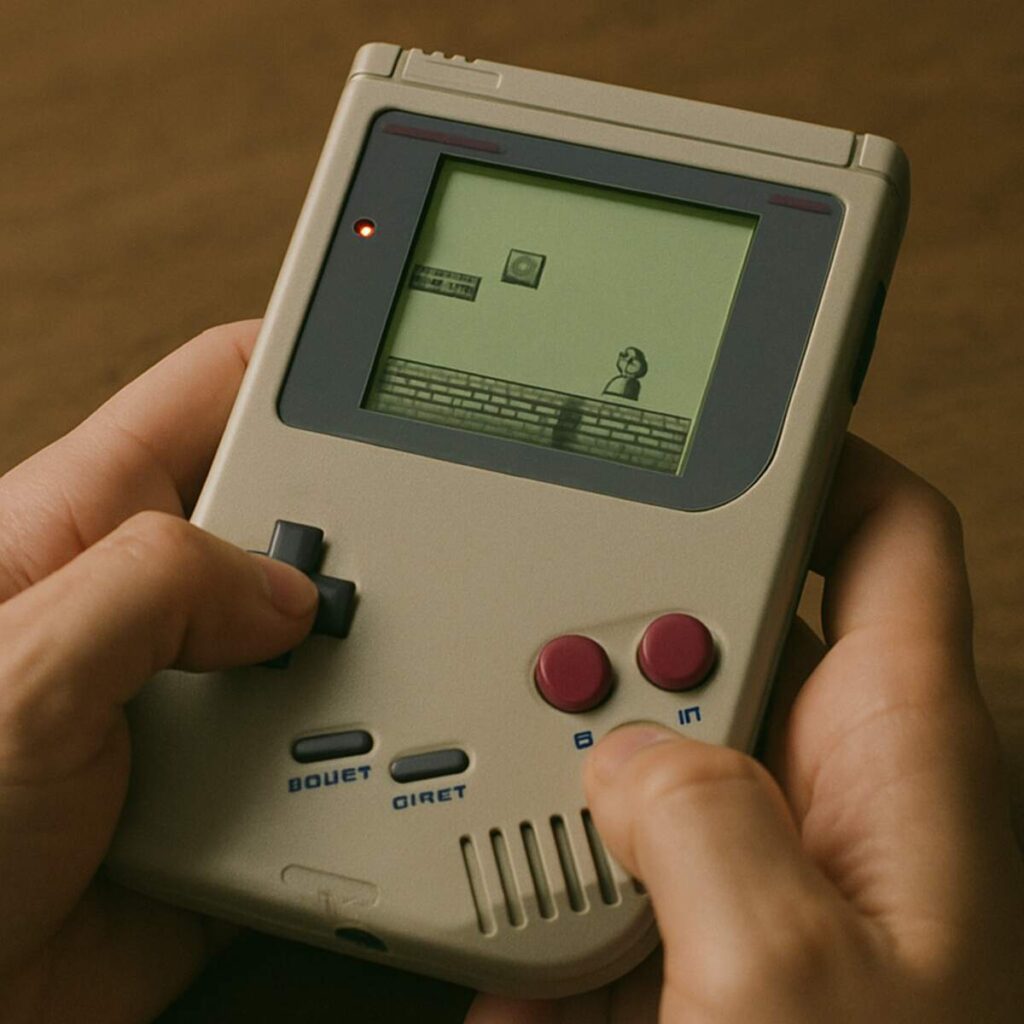
While nostalgia plays a significant role in the appeal of retro gaming, advances in technology have also contributed to the revival of these classic systems. Modern iterations of vintage consoles have been developed, offering enhanced features while preserving the charm of their predecessors.
Modern Retrospective Releases
Companies have tapped into the retro gaming trend by releasing modern versions of classic consoles. These updated systems often come preloaded with a selection of iconic games, eliminating the need for cartridges or discs. This innovation caters to both nostalgia and convenience, allowing players to easily access their favorite titles without the challenges of maintaining aging hardware.
Additionally, these modern retrospectives are often equipped with HDMI outputs, allowing them to be easily connected to modern televisions. This feature enhances the gaming experience by providing clearer graphics and sound, while still preserving the authentic look and feel of the original games. For many gamers, this balance between modern technology and classic charm is the perfect way to enjoy retro gaming.
Moreover, the marketing and packaging of these modern releases often capitalize on nostalgia, with designs and branding that evoke the look and feel of the original consoles. This attention to detail helps create an immersive nostalgic experience, appealing to both seasoned gamers and new audiences curious about the history of gaming.
Emulation and Software Preservation
Emulation software has further democratized access to retro video games. Platforms like RetroPie and OpenEmu allow players to experience a vast array of vintage games on their computers, smartphones, or custom-built arcade machines. This software ensures that classic games are preserved for future generations, allowing new audiences to enjoy the titles that shaped the gaming industry.
The availability of emulation software has made retro gaming more accessible than ever before. Players no longer need to own the original hardware to experience classic games; instead, they can download emulators and ROMs to play their favorite titles on modern devices. This accessibility has expanded the reach of retro gaming, attracting a diverse audience of players who may not have had access to these games otherwise.
Emulation also plays a crucial role in preserving the history of video games. Many classic titles were released on hardware that is now obsolete, and emulation provides a way to preserve these games for future generations. By ensuring that these games remain playable, emulation helps maintain the cultural and historical significance of retro gaming, allowing new audiences to appreciate the artistry and innovation of these early titles.
Furthermore, the emulation community is dedicated to improving and enhancing the emulation experience. Developers continuously work on refining emulation software, adding new features, and ensuring compatibility with a wide range of devices. This commitment to innovation ensures that retro gaming remains a dynamic and evolving field, with new possibilities for exploration and enjoyment.
The Rise of Retro Handheld Game Consoles
Another notable trend is the resurgence of retro handheld game consoles. These portable devices offer the convenience of on-the-go gaming with the added benefit of a nostalgic experience. Modern retro handhelds often support a wide range of emulators, allowing players to carry an entire library of classic games in their pockets.
The appeal of retro handheld consoles lies in their portability and versatility. Players can enjoy their favorite classic titles anywhere, whether on a long commute or during a relaxing break. This accessibility makes retro handhelds an attractive option for gamers who want to incorporate retro gaming into their busy lives.
Additionally, modern retro handhelds often feature customizable interfaces and settings, allowing players to tailor their gaming experience to their preferences. This flexibility, combined with the nostalgic appeal of classic games, makes retro handhelds a popular choice for both casual and dedicated gamers.
The rise of retro handhelds has also sparked a wave of innovation in the gaming industry. Manufacturers are continually developing new models with enhanced features, such as improved battery life, higher resolution screens, and expanded game libraries. This ongoing innovation ensures that retro handhelds remain a relevant and exciting option for gamers of all ages.
The Cultural Impact of Retro Gaming
The resurgence of retro gaming has also impacted contemporary culture, influencing everything from fashion to music. The distinctive aesthetic and soundtracks of retro games have been embraced by various subcultures, leading to a renewed appreciation for the artistry of these early titles.
Influence on Modern Game Design
Retro video games have inspired modern game developers, who often incorporate elements of classic titles into new creations. This influence is evident in the resurgence of pixel art graphics, chiptune music, and simple, yet addictive gameplay mechanics that pay homage to the past while appealing to modern audiences.
Incorporating elements of retro games into modern titles not only pays tribute to the origins of gaming but also offers a fresh perspective on game design. By blending classic and contemporary elements, developers create unique gaming experiences that resonate with both older players who appreciate the nostalgia and younger players who enjoy innovative gameplay.
The use of pixel art and chiptune music in modern games is also a nod to the limitations and creativity of early game developers. These stylistic choices celebrate the ingenuity and resourcefulness required to create compelling experiences within the constraints of older technology. By embracing these elements, modern developers connect with the history of gaming and honor the legacy of those who paved the way for today’s industry.
Furthermore, the popularity of retro-inspired games has led to a resurgence of interest in indie game development. Many independent developers draw inspiration from classic titles, using their creativity and passion to produce innovative and engaging games that capture the essence of retro gaming while pushing the boundaries of what is possible in the medium.
Fostering Intergenerational Connections
Retro gaming also serves as a bridge between generations. Parents who grew up with these systems can introduce their children to the games of their youth, creating shared experiences and fostering a deeper appreciation for the history of gaming. This intergenerational connection strengthens family bonds and provides a unique way to explore the evolution of the gaming industry.
Introducing children to retro games allows them to experience the history of video gaming firsthand, giving them a greater understanding of how the industry has evolved over the years. This shared exploration can spark conversations about the differences and similarities between past and present games, fostering a greater appreciation for the artistry and innovation involved in game development.
Moreover, playing retro games together can create lasting memories and strengthen family bonds. Parents and children can collaborate on overcoming challenges, celebrate victories, and share the joy of discovering new worlds and characters. These shared experiences can create a sense of camaraderie and connection that transcends age and generational divides.
Additionally, retro gaming can provide valuable life lessons for younger players. The straightforward gameplay and clear objectives of many classic titles encourage problem-solving, critical thinking, and perseverance. By engaging with these games, children can develop important skills that will serve them well in other areas of life, while also enjoying the timeless charm and entertainment of retro gaming.
The Retro Gaming Aesthetic
The distinctive aesthetic of retro games has left a lasting impact on contemporary culture. From fashion and music to art and design, the influence of retro gaming is evident in various creative fields. The bold colors, pixelated graphics, and iconic soundtracks of classic games have inspired a new generation of artists, musicians, and designers.
In fashion, retro gaming motifs have become popular elements in clothing and accessories, with brands incorporating iconic characters and designs into their products. This trend allows fans to express their love for retro gaming through their personal style, creating a visual connection to the games they cherish.
The music industry has also embraced the retro gaming aesthetic, with chiptune music gaining popularity among musicians and fans alike. This genre, characterized by its use of synthesized sounds reminiscent of classic video game soundtracks, has found a dedicated audience and inspired new compositions that pay homage to the soundscapes of early gaming.
In art and design, the pixel art style of retro games has become a popular choice for digital artists and creators. The simplicity and charm of pixel art offer a unique canvas for storytelling and expression, allowing artists to explore new ideas and concepts within the framework of retro gaming’s visual language.
The Future of Retro Game Consoles
As the retro gaming trend shows no signs of slowing down, the future looks promising for vintage console enthusiasts. The ongoing interest in these systems suggests that they will continue to play a significant role in the gaming landscape for years to come.
Continued Innovation and Expansion
Manufacturers will likely continue to innovate, offering new iterations of retro consoles with enhanced features and expanded game libraries. As technology advances, we can expect more immersive ways to experience these classic titles, possibly through virtual reality or augmented reality interfaces.
The potential integration of virtual reality into retro gaming presents exciting opportunities for both developers and players. Imagine stepping into a fully immersive 3D recreation of a classic game world, with the ability to interact with beloved characters and environments in new and dynamic ways. This fusion of retro and modern technology could revolutionize the way players experience vintage games, offering a fresh and engaging perspective on familiar titles.
Additionally, the development of augmented reality features could enhance the retro gaming experience by overlaying digital elements onto the physical world. This technology could allow players to interact with classic games in new ways, blurring the lines between reality and the digital realm. As these technologies become more accessible and affordable, they have the potential to breathe new life into retro gaming and attract a wider audience of players.
Moreover, the expansion of game libraries for retro consoles will continue to be a key focus for manufacturers. By licensing and re-releasing classic titles, companies can ensure that players have access to a diverse and comprehensive collection of games, preserving the legacy of retro gaming and introducing new audiences to the timeless appeal of these classic titles.
Preserving Gaming Heritage
Efforts to preserve retro video games and hardware will remain crucial as these systems age. Organizations and individuals dedicated to the preservation of gaming history will play a vital role in ensuring that future generations can experience the magic of retro gaming.
Preservation initiatives often involve archiving and digitizing classic games, ensuring that they remain accessible and playable on modern devices. This work is essential for maintaining the cultural and historical significance of retro gaming, as it allows new audiences to explore the roots of the industry and appreciate the innovations and artistry of early game developers.
In addition to preserving the games themselves, efforts are also being made to document the history and impact of retro gaming through books, documentaries, and exhibitions. These projects provide valuable insights into the development of the gaming industry and highlight the contributions of the individuals and companies that shaped its evolution.
Furthermore, collaboration between preservationists, developers, and gaming companies is essential for ensuring the continued availability of retro games. By working together, these stakeholders can navigate the legal and technical challenges associated with game preservation, ensuring that the legacy of retro gaming is protected and celebrated for generations to come.
Expanding the Retro Gaming Community
The retro gaming community will likely continue to grow, fueled by the nostalgia of older gamers and the curiosity of younger players eager to explore the roots of modern gaming. This expanding community will foster new opportunities for collaboration, innovation, and cultural exchange, enriching the gaming experience for all.
As the community grows, we can expect to see more events and gatherings dedicated to retro gaming. From conventions and expos to tournaments and meetups, these events provide a platform for enthusiasts to connect, share their passion, and celebrate the culture of retro gaming. These gatherings also offer opportunities for education and learning, as players exchange tips, techniques, and knowledge about the history and significance of classic games.
The continued growth of online communities and forums dedicated to retro gaming will also play a crucial role in the expansion of the community. These platforms provide a space for players to discuss their favorite games, share their collections, and connect with others who share their interests. As more people discover the joys of retro gaming, these online communities will serve as valuable resources for newcomers and veterans alike.
Furthermore, the expanding community will encourage new collaborations and innovations within the gaming industry. As developers and creators draw inspiration from the past, they will continue to push the boundaries of what is possible in gaming, blending classic elements with modern technology to create unique and engaging experiences. This fusion of old and new will ensure that retro gaming remains a vibrant and dynamic part of the gaming landscape, cherished by players of all ages for its simplicity, charm, and enduring nostalgia.