
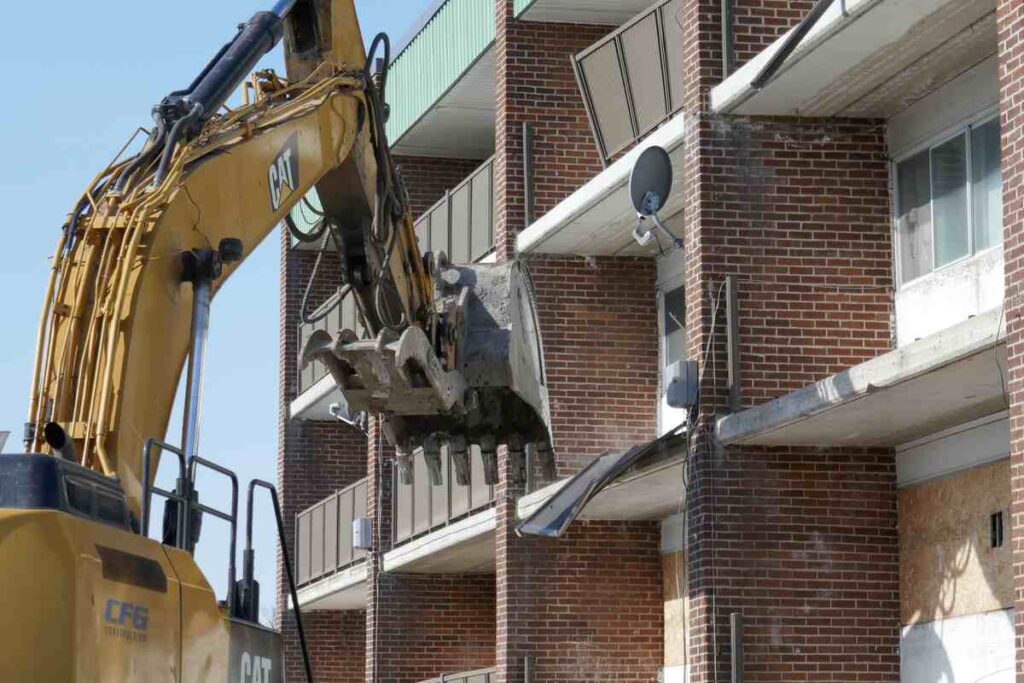

When a building, interior, slab, wall, pool, garage, tenant space, or damaged structure needs to come down, the smartest demolition plan starts long before the first machine arrives. In Phoenix, demolition requires more than muscle. It demands safety awareness, local experience, careful planning, dust control, debris handling, and a contractor who understands how Arizona heat, tight property lines, permitting requirements, utilities, and neighborhood conditions can affect every phase of the job. What do you need to consider about demolition Phoenix.
That is where a professional demolition team makes the difference. If you are searching for dickens quality demolition phoenix az, comparing options for demolition Phoenix, or simply trying to understand what goes into a safe, efficient demolition project, this guide will walk you through the essentials with clarity and confidence.
Demolition is not just about tearing something down. It is about clearing the way for what comes next.
Professional Demolition Services for Phoenix Properties
Phoenix is a city of growth, renovation, redevelopment, and reinvention. Older properties are being updated. Commercial spaces are being reconfigured. Homes are being remodeled to fit modern needs. Lots are being cleared for new construction. In all of these situations, demolition is often the first major step.
A qualified demolition contractor can help with projects such as:
- Residential structure demolition
- Commercial demolition
- Interior demolition
- Selective demolition
- Garage and shed removal
- Concrete removal
- Pool demolition and removal
- Wall, patio, and hardscape demolition
- Tenant improvement demolition
- Site clearing and debris removal
- Fire, storm, or damage-related demolition preparation
Every project has its own risks and requirements. A small interior demolition job inside a home is very different from removing a detached building, breaking up concrete, or clearing a commercial space. The right contractor evaluates the site, protects the surrounding area, creates a safe work plan, and removes debris in a responsible manner.
For property owners, general contractors, real estate investors, facility managers, and homeowners, the goal is simple: get the demolition done safely, cleanly, and on schedule so the next phase can begin.
Why Demolition in Phoenix Requires Local Expertise
Demolition in Phoenix comes with unique regional factors. The desert climate, dry soil conditions, high summer temperatures, dust concerns, older construction materials, and active redevelopment patterns all influence how demolition should be handled.
A local demolition team understands these challenges and plans accordingly.
Heat and Worksite Safety
Phoenix heat can be intense, especially during the summer months. Demolition crews must manage hydration, equipment performance, work pacing, and safety protocols. Heat affects workers, machinery, and even certain building materials. Experienced crews know how to schedule and stage work to reduce risk while maintaining productivity.
Dust Control
Dust is one of the most important concerns during demolition Phoenix projects. Concrete, drywall, soil, stucco, tile, brick, wood, and roofing materials can all create airborne debris. Professional demolition planning includes dust reduction strategies, containment where appropriate, and cleanup procedures that help protect nearby properties and people.
Utility Awareness
Before demolition begins, utilities must be identified, disconnected, capped, or protected as needed. Electrical, gas, water, sewer, irrigation, and low-voltage systems can create serious hazards if ignored. A responsible demolition contractor never assumes. They verify conditions before work starts.
Tight Urban and Suburban Spaces
Many Phoenix-area properties have walls, fences, pools, driveways, landscaping, neighboring structures, alleys, or limited access points. This makes equipment selection and work sequencing extremely important. The contractor must know how to remove material without causing unnecessary damage to surrounding features.
Redevelopment and Remodeling Demand
Phoenix continues to see strong demand for property improvements. Homeowners remodel older houses. Businesses update storefronts and offices. Investors reposition properties. Builders prepare sites for new projects. A demolition contractor who understands construction timelines can help keep the entire project moving.
Residential Demolition Services in Phoenix
Home demolition services range from small removals to full structure tear-downs. Whether you are opening a wall for a remodel, removing an outdated patio, clearing an unsafe structure, or preparing for a new build, residential demolition should be handled with care.
Residential demolition may include:
- Full house demolition
- Partial home demolition
- Interior room demolition
- Kitchen and bathroom demolition
- Flooring and tile removal
- Drywall and framing removal
- Garage demolition
- Shed or accessory structure removal
- Patio, porch, and awning removal
- Fence and block wall removal
- Concrete driveway or slab removal
- Swimming pool demolition
The best residential demolition approach protects the home, the lot, the neighbors, and the future project. Selective work is especially important when only part of the property is being removed. The crew must preserve what stays while removing what goes.
Interior Demolition for Remodels and Renovations
Interior demolition is one of the most common services requested by homeowners, business owners, and contractors. It prepares a space for remodeling by removing outdated or unwanted materials without damaging structural components that need to remain.
Interior demolition can include:
- Cabinet removal
- Countertop removal
- Flooring removal
- Tile removal
- Carpet removal
- Drywall removal
- Non-load-bearing wall removal
- Ceiling material removal
- Fixture removal
- Bathroom demolition
- Kitchen demolition
- Office buildout removal
- Retail interior removal
Interior demo looks simple from the outside, but it requires discipline. Crews need to know the difference between cosmetic materials, mechanical systems, structural framing, plumbing, electrical, and HVAC components. A rushed or careless approach can create expensive problems.
For Phoenix homeowners remodeling a kitchen, bathroom, casita, rental property, or entire interior, professional demolition helps the project start clean. For commercial spaces, it allows electricians, plumbers, framers, and finish contractors to begin their work with fewer surprises.
Selective Demolition: Removing Only What Needs to Go
Selective demolition is the art of precision removal. Instead of tearing down an entire structure, crews remove specific materials, rooms, walls, fixtures, or building sections while protecting the surrounding areas.
This type of demolition is ideal for:
- Remodels
- Historic or older properties
- Tenant improvements
- Office renovations
- Retail conversions
- Restaurant upgrades
- Multi-phase construction projects
- Structural repairs
- Damage restoration preparation
Selective demolition requires communication and planning. The contractor must understand exactly what stays, what goes, and what must be protected. That may include flooring, walls, windows, plumbing lines, electrical service, HVAC components, landscaping, or adjacent units.
The more precise the demolition, the more important the experience.
Commercial Demolition Services in Phoenix
Commercial demolition often involves more complexity than residential work. Business properties may have larger spaces, stricter schedules, shared walls, public access concerns, tenant requirements, and coordination with other trades.
Commercial demolition services may include:
- Office interior demolition
- Retail space demolition
- Restaurant demolition
- Warehouse demolition
- Light industrial demolition
- Tenant improvement demolition
- Medical or professional office demolition
- Flooring and ceiling system removal
- Partition and cubicle removal
- Concrete cutting or removal
- Exterior feature removal
- Debris hauling and cleanup
For commercial clients, downtime matters. A good demolition contractor understands that delays can affect lease schedules, buildout deadlines, business openings, inspections, and budgets. Clear communication and dependable scheduling are essential.
Commercial demolition also requires attention to safety zones, neighboring tenants, parking lots, loading areas, and after-hours work considerations when applicable. The objective is to complete the removal scope with minimal disruption and maximum professionalism.
Concrete Demolition and Removal
Concrete is everywhere in Phoenix properties: driveways, sidewalks, patios, garage slabs, pool decks, stem walls, footings, curbs, pads, and foundations. Removing concrete takes the right equipment and an understanding of thickness, reinforcement, access, and hauling requirements.
Concrete demolition may involve:
- Breaking and removing old driveways
- Removing patios and walkways
- Cutting out damaged slab sections
- Removing concrete pads
- Breaking pool decks
- Removing footings or stem walls
- Preparing areas for new flatwork
- Clearing concrete debris from remodel sites
Concrete removal can be noisy, dusty, and labor-intensive. It should be planned carefully to protect surrounding walls, irrigation systems, landscaping, utilities, and structures. In some cases, concrete may be hauled for recycling, depending on project conditions and available facilities.
If you are planning a new driveway, patio, room addition, landscape redesign, or construction project, professional concrete demolition can create a clean, workable starting point.
Pool Demolition and Removal in Phoenix
Swimming pools are common throughout the Phoenix area, but not every pool fits the owner’s current plans. Some pools are outdated, damaged, expensive to maintain, or taking up valuable yard space. Pool demolition can open the property for landscaping, patios, play areas, additions, or simpler outdoor living.
Pool removal may include:
- Partial pool demolition
- Full pool removal
- Deck and coping removal
- Equipment pad removal
- Backfilling and compaction coordination
- Debris hauling
- Yard access planning
Pool demolition is not a casual project. It involves concrete, plumbing, electrical equipment, drainage considerations, access constraints, and backfill planning. The right contractor can explain the general process and coordinate the demolition portion safely and efficiently.
Property owners should also understand that future use of the space may affect the preferred approach. For example, a yard area intended for landscaping may have different preparation needs than an area intended for construction. When in doubt, discuss your future plans before demolition begins.
Garage, Shed, and Accessory Structure Demolition
Detached garages, carports, sheds, workshops, and small accessory buildings often need removal because they are outdated, damaged, unpermitted, unsafe, or simply in the way of a better use of space.
These projects may seem straightforward, but they can involve:
- Electrical connections
- Roofing materials
- Concrete slabs
- Wall framing
- Storage contents
- Pest issues
- Tight access
- Nearby fences or neighboring structures
- Debris separation and hauling
A professional demolition crew can assess the structure, determine the safest removal sequence, and clear the debris so the space is ready for the next step.
Wall, Fence, and Hardscape Demolition
Block walls, retaining features, garden walls, masonry fences, patios, walkways, outdoor kitchens, built-in planters, and other hardscape elements can be difficult to remove without damaging nearby features.
Hardscape demolition may be needed for:
- Yard redesigns
- Pool renovations
- New landscaping
- Driveway expansions
- Drainage improvements
- Property line changes
- Safety repairs
- Construction access
In Phoenix, many homes include block walls and masonry features. Removing them requires care, especially when walls connect to neighboring properties or serve as privacy or retaining features. A qualified contractor should clarify the removal scope and avoid making assumptions about shared walls or property boundaries.
Site Clearing and Debris Removal
Demolition is not complete until the debris is handled. Site clearing and hauling are essential to keeping the project safe and ready for future work.
Debris removal may include:
- Wood
- Drywall
- Concrete
- Stucco
- Metal
- Tile
- Cabinets
- Fixtures
- Roofing materials
- Green waste from clearing work
- General construction debris
A clean demolition site improves safety, access, and productivity for the next crew. It also helps property owners see the true condition of the remaining space.
Responsible debris handling is one of the marks of a professional demolition company. The crew should plan where debris will be staged, how it will be loaded, what equipment is needed, and how the property will be left when the work is finished.
The Demolition Process: What to Expect
A well-run demolition project follows a clear process. While every job is different, most projects move through several basic phases.
1. Initial Consultation
The process begins with a conversation about the property, the structure or materials to be removed, access conditions, project goals, and timeline. Photos, site visits, or plans may help clarify the scope.
During this step, you may discuss:
- What needs to be removed
- What must remain protected
- Whether utilities are involved
- Access for workers and equipment
- Debris hauling needs
- Site constraints
- Desired schedule
- Future construction or remodeling plans
The more complete the information, the more accurate the project plan can be.
2. Site Assessment
A site assessment helps identify risks and logistics. The contractor may look at building materials, structural conditions, utility locations, adjacent structures, surface conditions, and access routes.
For larger or more complex jobs, planning may also involve permits, inspections, environmental considerations, or coordination with other professionals. Because requirements vary by project, a responsible contractor will avoid giving one-size-fits-all answers.
3. Scope and Estimate
After reviewing the job, the contractor provides a scope of work and estimate. A good demolition estimate should be clear about what is included.
Depending on the project, this may cover:
- Labor
- Equipment
- Hauling
- Disposal or recycling
- Site protection
- Demolition sequence
- Cleanup expectations
- Exclusions or owner responsibilities
Clarity matters. Before work starts, everyone should understand what will be removed, how far the crew will go, and what condition the site should be left in.
4. Preparation
Preparation may include clearing personal belongings, confirming utility disconnections, creating access, protecting surfaces, notifying affected parties, or coordinating with other trades.
For interior demolition, preparation may include containment, floor protection, or isolating the work area. For exterior demolition, it may include equipment staging, debris container placement, or protecting landscaping and neighboring features.
5. Demolition Work
The demolition itself is performed according to the project plan. Crews may use hand tools, saws, compact equipment, breakers, loaders, hauling equipment, or other tools depending on the scope.
Safe demolition is controlled demolition. That means the work is performed in a sequence that reduces hazards, prevents unnecessary damage, and supports efficient debris removal.
6. Hauling and Cleanup
Once materials are removed, debris is loaded and hauled away. The site is cleaned according to the agreed scope. This may include sweeping, rough grading, removing remaining debris, or preparing the area for construction crews.
A clean finish is important because it allows the next phase to begin without delays.
Safety Comes First in Every Demolition Project
Demolition can be dangerous when handled casually. Falling materials, dust, sharp debris, unstable structures, hidden utilities, heavy equipment, and unknown building conditions all create risks.
Professional demolition safety may include:
- Site assessment before work begins
- Utility verification
- Personal protective equipment
- Controlled access zones
- Dust reduction measures
- Proper tool and equipment use
- Safe debris handling
- Structural awareness
- Communication among crew members
- Cleanup throughout the project
Safety is not an add-on. It is the foundation of good demolition work.
When evaluating demolition contractors, ask how they approach safety, what information they need before starting, and how they protect surrounding areas. A quality contractor will welcome those questions.
Permits, Utilities, and Project Requirements
Many demolition projects require some level of preparation beyond the physical work. Depending on the scope and location, there may be permits, utility disconnections, inspections, or documentation requirements.
Because requirements can vary based on the property and project type, it is wise to ask early about:
- Whether a permit may be needed
- Who is responsible for permit coordination
- Which utilities must be disconnected or capped
- Whether hazardous material evaluation is necessary
- Whether neighboring properties are affected
- Whether HOA or property management approval applies
- Whether debris container placement has restrictions
- Whether work hours are limited
Do not assume that a small job has no requirements. Interior demolition, exterior structure removal, pool removal, and commercial demolition can all trigger different considerations.
A knowledgeable demolition contractor can help you understand the general steps and guide you toward the proper preparation, while staying within the appropriate professional role.
What Affects Demolition Cost in Phoenix?
Demolition pricing depends on the project. Without seeing the site, it is not responsible to quote a precise cost. However, several factors commonly influence the estimate.
Cost factors may include:
- Size of the structure or area
- Type of materials being removed
- Structural complexity
- Accessibility for crews and equipment
- Utility conditions
- Required permits or preparation
- Amount and weight of debris
- Hauling distance and disposal needs
- Dust control or containment needs
- Presence of concrete, masonry, or reinforced materials
- Labor intensity
- Timeline requirements
- Site cleanup expectations
For example, removing cabinets and drywall from a small kitchen is very different from demolishing a block wall, breaking reinforced concrete, or clearing an entire structure. The best way to understand cost is to request a detailed estimate based on your actual project.
A trustworthy demolition contractor will explain the scope clearly and avoid vague pricing that leaves room for confusion later.
How to Choose a Demolition Contractor in Phoenix
Choosing the right contractor is one of the most important decisions in the project. Demolition sets the stage for everything that follows. Poor work can create delays, damage, safety concerns, and unexpected expenses.
When comparing demolition companies, look for qualities such as:
- Local experience in Phoenix and surrounding areas
- Clear communication
- Proper planning before work begins
- Attention to safety
- Experience with your specific type of demolition
- Transparent estimates
- Debris hauling capabilities
- Respect for surrounding property
- Professional crew behavior
- Ability to coordinate with homeowners, contractors, or property managers
- Willingness to answer questions
If you searched for dickens quality demolition phoenix az, you are likely looking for a provider that values dependable work and quality service. Whether you are comparing names, requesting estimates, or learning what to ask, use professionalism and clarity as your standards.
A demolition contractor should not make the process feel mysterious. They should help you understand the work, the risks, the timeline, and the next steps.
Questions to Ask Before Hiring a Demolition Company
Before approving demolition work, ask practical questions. The answers will reveal a lot about the contractor’s process.
Consider asking:
- Have you handled projects like mine before?
- What is included in the estimate?
- What is not included?
- How will you protect surrounding areas?
- What preparation do I need to complete before work starts?
- Are utilities involved?
- Will permits or approvals be needed?
- How will debris be removed?
- What equipment will you use?
- How long do you expect the job to take?
- What condition will the site be left in?
- How do you handle unexpected conditions?
Good contractors appreciate informed clients. These questions help prevent misunderstandings and create a smoother job from start to finish.
Signs You Need Professional Demolition Instead of DIY
Some property owners consider doing demolition themselves. For very small, simple, non-structural tasks, that may be possible. However, many demolition jobs are more complex than they appear.
You should consider professional demolition if the project involves:
- Structural components
- Electrical, plumbing, or gas lines
- Heavy materials
- Concrete or masonry
- Roofing materials
- Large debris volume
- Dust-sensitive areas
- Commercial property
- Shared walls
- Pool removal
- Multi-room interior removal
- Equipment access challenges
- Unknown building conditions
- Safety concerns
DIY demolition can quickly become expensive if it causes damage or delays. Professional crews bring the tools, labor, hauling capability, and experience to complete the work more efficiently.
In many cases, hiring a demolition contractor saves time, reduces stress, and protects the larger project budget.
Residential Remodeling Starts With Clean Demolition
A successful remodel depends on clean preparation. Contractors cannot install new materials properly if old materials are poorly removed, surfaces are damaged, debris is left behind, or hidden issues are ignored.
Professional demolition supports remodeling by:
- Removing outdated materials efficiently
- Exposing framing, plumbing, and electrical areas for inspection
- Creating a clean work zone
- Reducing delays for follow-up trades
- Helping avoid unnecessary damage
- Improving site safety
- Keeping debris organized and removed
Whether you are remodeling a kitchen in central Phoenix, updating a rental property, renovating a bathroom, or opening up living space, demolition is the bridge between the old layout and the new vision.
Commercial Buildouts Need Reliable Demolition
For commercial projects, demolition often begins the tenant improvement process. The space may need to be returned to a shell condition, modified for a new layout, or cleared of previous tenant improvements.
Professional commercial demolition can help prepare:
- Offices
- Retail stores
- Restaurants
- Fitness spaces
- Medical offices
- Warehouses
- Showrooms
- Service businesses
- Multi-tenant properties
Timing is especially important. Business owners and contractors often have deadlines tied to leases, inspections, openings, or phased construction schedules. A reliable demolition crew helps keep the project moving by completing the scope as promised and communicating clearly if conditions change.
Demolition for Real Estate Investors and Property Managers
Phoenix real estate investors and property managers often need demolition services to prepare properties for resale, rental, repair, or redevelopment. Speed and cleanliness matter, but so does accuracy.
Investor-focused demolition may include:
- Removing damaged interiors
- Clearing abandoned structures
- Preparing fix-and-flip properties
- Removing old flooring and cabinets
- Cleaning out garages or sheds
- Removing unsafe patios or additions
- Preparing lots for improvement
- Supporting insurance or restoration-related work
A demolition contractor who works well with investors understands that decisions often depend on budget, resale value, schedule, and scope control. The goal is to remove what hurts the property while preserving what supports the plan.
Demolition for Contractors and Builders
General contractors, remodelers, restoration companies, landscapers, pool contractors, and builders often need dependable demolition support. When demolition is handled by a dedicated crew, the primary contractor can keep the project organized and focused.
Demolition support for contractors may include:
- Pre-remodel interior removal
- Selective tear-out
- Concrete removal
- Pool deck removal
- Site clearing
- Commercial space clearing
- Debris hauling
- Phased demolition
- Labor support for controlled removal
Professional collaboration matters. A demolition crew working with another contractor should respect the project plan, communicate field conditions, and keep the site ready for the next trade.
Common Demolition Mistakes to Avoid
Demolition problems often come from rushing, guessing, or failing to plan. Avoiding common mistakes can save time and money.
Mistake 1: Starting Before Utilities Are Addressed
Never begin demolition without understanding utility conditions. Hidden lines can create serious danger and expensive damage.
Mistake 2: Underestimating Debris
Demolition creates more debris than many people expect. Heavy materials such as concrete, tile, brick, and stucco require proper hauling plans.
Mistake 3: Ignoring Dust
Dust control matters for health, cleanliness, neighboring properties, and follow-up construction. Interior jobs especially need planning.
Mistake 4: Removing Too Much
In selective demolition, over-removal can be costly. Marking the scope clearly and communicating expectations helps protect what needs to stay.
Mistake 5: Hiring Based Only on Price
The lowest number is not always the best value. Poor demolition can damage property, create delays, or leave cleanup problems behind.
Mistake 6: Failing to Plan for the Next Phase
Demolition should support what comes next. Tell your contractor whether the area will be remodeled, rebuilt, landscaped, inspected, or left open.
Preparing Your Property for Demolition
Before the crew arrives, there are steps you can take to make the project smoother.
For residential demolition, consider:
- Removing personal belongings from the work area
- Clearing access paths
- Securing pets away from the work zone
- Communicating parking or gate access details
- Notifying neighbors if noise or dust may affect them
- Confirming which items should be saved
- Identifying irrigation, lighting, or low-voltage systems
- Making sure utilities are addressed when applicable
For commercial demolition, consider:
- Coordinating with property management
- Confirming approved work hours
- Clearing inventory or furniture
- Communicating loading dock access
- Confirming elevator or hallway protection needs
- Notifying neighboring tenants if needed
- Reviewing plans with the demolition crew
- Clarifying debris removal logistics
Preparation helps the crew work efficiently and reduces the chance of delays.
What Makes Quality Demolition Different?
Quality demolition is measured by more than how quickly something disappears. True quality shows up in the planning, communication, protection, cleanup, and final condition of the site.
A quality demolition service should provide:
- A clear understanding of the scope
- Respect for the property
- Safe work practices
- Proper tools and equipment
- Controlled removal methods
- Efficient debris hauling
- Attention to dust and cleanup
- Transparent communication
- Reliable scheduling
- Professional conduct
The best demolition contractors do not treat the job like chaos. They treat it like a controlled process.
That is the difference between simply tearing something down and preparing a property for its next chapter.
Serving Phoenix and Nearby Areas
Phoenix demolition needs can vary from neighborhood to neighborhood. A historic home renovation near the city center, a block wall removal in a suburban yard, a commercial tenant improvement in a retail plaza, and a concrete removal project at an industrial property all require different planning.
Professional demolition services may be appropriate for properties in Phoenix and surrounding communities, depending on scheduling and project scope. If you are unsure whether your location is within the service area, the best next step is to reach out with your property details and request confirmation.
When contacting a demolition contractor, provide:
- Property location
- Type of structure or material to be removed
- Approximate size of the project
- Photos if available
- Desired timeline
- Access details
- Any known utility concerns
- Future use of the space
This information helps the contractor determine whether the project is a good fit and what next steps are needed.
A Note About the Search Term “Demolition Man Simon Phoenix”
Some people arrive at demolition-related pages through unusual searches. The phrase demolition man simon phoenix is widely associated with pop culture, not local contracting. But if your search brought you here while looking for real-world demolition in Phoenix, the important distinction is simple: professional demolition is not reckless, theatrical, or chaotic. It is planned, controlled, safety-focused work performed by trained crews.
In the real Phoenix market, demolition is about protecting property, managing debris, respecting neighbors, and preparing a site for improvement. That practical approach matters whether the project is a small interior tear-out or a full structure removal.
Why Homeowners Choose Professional Demolition
Homeowners often call for demolition when a project becomes too large, messy, or risky to handle alone. A professional crew can complete in hours or days what might take a homeowner several weekends, multiple dump runs, and a lot of uncertainty.
Homeowners benefit from professional demolition because it provides:
- Faster progress
- Safer removal
- Reduced physical strain
- Better debris handling
- Cleaner job sites
- Less risk of damaging what should remain
- Support for remodeling schedules
- Confidence before construction begins
For many homeowners, the biggest benefit is peace of mind. You know the work is being handled by people who do this every day.
Why Businesses Need Dependable Demolition
Business owners and commercial property managers cannot afford unnecessary disruption. When a space needs to be cleared, the demolition team must be organized, punctual, and professional.
Commercial clients value:
- Clear scheduling
- Minimal disruption
- Safe work zones
- Coordination with other contractors
- Debris removal
- Respect for neighboring tenants
- Efficient project completion
- Communication when conditions change
A professional demolition contractor helps transform a space from outdated or unusable to ready for buildout.
Demolition and the Bigger Construction Timeline
Demolition is often the first domino in a larger project. If demolition is delayed, messy, incomplete, or poorly coordinated, every trade after it can be affected.
The next phase may involve:
- Framing
- Electrical work
- Plumbing
- HVAC changes
- Concrete work
- Pool work
- Landscaping
- Flooring installation
- Cabinet installation
- Drywall
- Painting
- Inspections
- New construction
That is why demolition should be scheduled with the whole project in mind. The contractor should understand what condition the site needs to be in when demolition is complete.
For example, a contractor preparing a kitchen remodel may need cabinets, counters, backsplash, flooring, and drywall removed while keeping plumbing and electrical protected. A builder preparing a lot may need full clearing and rough site cleanup. A landscaper may need concrete removed without destroying irrigation lines. Each case requires a tailored approach.
Understanding Full Demolition vs. Partial Demolition
Not every demolition project means removing everything. Understanding the difference between full and partial demolition helps define the scope.
Full Demolition
Full demolition generally means removing an entire structure or major building component. This may apply to houses, detached garages, commercial structures, sheds, pools, or site improvements.
Full demolition typically requires more planning because it may involve permits, utilities, heavy equipment, large debris volumes, and site restoration needs.
Partial Demolition
Partial demolition removes selected parts of a property while preserving the rest. This may include one room, a wall, a slab, a section of roof, a patio, an interior buildout, or damaged materials.
Partial demolition requires precision. The contractor must protect remaining materials and avoid unnecessary damage.
Both types of demolition can be valuable. The right choice depends on the property condition, future plans, budget, and scope.
Dust, Noise, and Neighbor Considerations
Demolition can be disruptive, but professional planning helps reduce unnecessary impact. In residential neighborhoods and commercial centers, consideration matters.
A responsible demolition crew may help manage:
- Work area boundaries
- Debris staging
- Dust control
- Equipment placement
- Noise awareness
- Cleanup
- Parking or access concerns
- Neighboring walls or fences
- Shared commercial spaces
Property owners can help by communicating with neighbors or property managers before work begins, especially if access, noise, or debris containers may affect others.
Demolition for Older Phoenix Properties
Older properties can contain surprises. Past remodels, outdated materials, hidden utilities, unpermitted additions, unusual framing, or deteriorated structural elements may appear once demolition begins.
When working on older properties, demolition crews should proceed carefully and communicate when unexpected conditions are discovered. The project may need adjustment if hidden issues affect safety or scope.
Older homes and buildings may also require additional evaluation for certain materials before demolition. Because rules and needs vary by project, it is best to discuss the property age, renovation history, and planned scope before work starts.
Debris Hauling: The Hidden Hero of Demolition
Debris hauling is not glamorous, but it is one of the most important parts of demolition. Without a hauling plan, debris piles up quickly, creates hazards, blocks access, and slows the project.
Demolition debris can be heavy, sharp, bulky, and messy. Concrete, tile, cabinets, drywall, framing lumber, fixtures, stucco, and metal all require handling. A professional crew knows how to load and remove materials efficiently.
A good debris plan considers:
- Material volume
- Material weight
- Access for trucks or containers
- Separation of certain materials when appropriate
- Safe loading methods
- Cleanup needs
- Project schedule
When demolition includes hauling, you save time and avoid the burden of arranging separate disposal.
The Importance of a Clear Scope of Work
A clear scope prevents confusion. It tells everyone what is included, what is excluded, and what the finished condition should be.
A demolition scope may define:
- Specific rooms or structures to remove
- Materials to remain in place
- Areas requiring protection
- Whether fixtures are being saved or discarded
- Utility responsibilities
- Debris hauling responsibilities
- Cleanup level
- Equipment access
- Timeline expectations
For selective demolition, marking the work area or reviewing plans can be especially helpful. It is better to clarify before work starts than to correct a misunderstanding later.
Local Demolition for Home Improvement Projects
Phoenix homeowners use demolition services to make room for better living. Common home improvement projects that begin with demolition include:
- Kitchen remodels
- Bathroom remodels
- Open-concept layout changes
- Flooring replacement
- Patio upgrades
- Pool removal
- Garage conversions
- Casita improvements
- Landscaping redesigns
- Driveway replacement
- Outdoor living projects
Demolition clears outdated materials and opens the space for new design, better function, and improved property value. It is the first visible step toward transformation.
Local Demolition for Commercial Improvements
Phoenix businesses use demolition services to adapt spaces to changing needs. Commercial properties often need to be modified for new tenants, updated branding, code improvements, or operational changes.
Common commercial demolition projects include:
- Removing old tenant improvements
- Clearing office partitions
- Removing flooring and ceilings
- Demolishing restaurant interiors
- Preparing retail spaces
- Removing outdated service counters
- Clearing damaged materials
- Opening walls for new layouts
- Removing concrete sections for plumbing or equipment
Commercial demolition must be efficient and coordinated. The faster the space is prepared properly, the faster the buildout can progress.
How Demolition Supports Property Value
Demolition is sometimes seen only as a cost, but it can be an investment in a better property. Removing damaged, outdated, unsafe, or unwanted elements can improve function, appearance, and future usability.
Demolition may support value by:
- Preparing for modern upgrades
- Removing unsafe structures
- Improving curb appeal
- Opening usable yard space
- Supporting new construction
- Clearing damaged materials
- Making remodels possible
- Improving layout potential
- Reducing maintenance burdens
Of course, every property is different. But when demolition supports a smart improvement plan, it can be the first step toward a more useful and attractive space.
Choosing the Right Equipment for the Job
Not every demolition project requires large machinery. In fact, many jobs need smaller tools and careful hand work. The right equipment depends on the scope, materials, access, and protection needs.
Demolition tools and equipment may include:
- Hand tools for selective removal
- Saws and cutting tools
- Jackhammers or breakers
- Compact loaders
- Skid steers
- Excavation equipment
- Dump trailers or hauling trucks
- Dust control equipment
- Protective barriers
The wrong equipment can cause damage or inefficiency. The right equipment makes the job safer, cleaner, and faster.
What Happens After Demolition?
Once demolition is complete, the property moves into its next phase. Depending on the project, that may mean inspection, design verification, repairs, framing, utility work, grading, landscaping, or construction.
After demolition, you may need to:
- Review the site condition
- Confirm all agreed materials were removed
- Check for hidden issues now visible
- Coordinate with the next contractor
- Schedule inspections if required
- Plan repairs or rebuilding
- Prepare for new installations
- Address grading or surface preparation
Demolition often reveals information that was hidden before. This is especially true in remodels. Once walls, floors, cabinets, or fixtures are removed, contractors can see what they are really working with.
Red Flags When Hiring a Demolition Contractor
As with any service, not every contractor offers the same level of care. Watch for warning signs during the hiring process.
Red flags may include:
- Vague answers about scope
- No clear cleanup plan
- Reluctance to discuss utilities
- Poor communication
- Pressure to start immediately without assessment
- No explanation of safety practices
- Unclear pricing
- No mention of debris hauling logistics
- Dismissive attitude toward permits or approvals
- Lack of experience with your project type
A professional contractor should be able to explain the process in plain language. If the answers feel rushed or unclear, keep asking questions.
The Value of Local Communication
Local service is not only about geography. It is about understanding how people in the area build, remodel, maintain, and improve their properties.
A Phoenix demolition contractor should understand:
- Desert weather conditions
- Common regional building materials
- Concrete and masonry prevalence
- Pool and patio removal needs
- Remodel-driven demolition
- Dust concerns
- Access limitations in established neighborhoods
- Commercial tenant improvement timelines
- Local property improvement trends
This local knowledge helps turn a demolition request into a practical plan.
Requesting a Demolition Estimate
When you are ready to request an estimate, gather the basic details. You do not need to know everything. A good contractor can guide the conversation. But the more information you provide, the easier it is to evaluate the project.
Helpful information includes:
- Your name and preferred contact method
- Property location
- Residential or commercial property type
- Description of what needs to be removed
- Approximate dimensions if known
- Photos or videos of the area
- Access details
- Utility concerns
- Desired completion timeframe
- Whether debris hauling is needed
- Whether other contractors are involved
If the project is complex, a site visit may be recommended. For straightforward work, photos may help the contractor understand the initial scope.
Why Clear Communication Matters
Demolition work can change quickly when hidden conditions appear. Clear communication helps keep the project on track.
Before work begins, the contractor and client should agree on:
- The exact removal scope
- The start date or scheduling window
- Site access instructions
- Parking or staging areas
- Items to protect or save
- Debris removal expectations
- Cleanup expectations
- Contact person for decisions
During the project, communication remains important if crews discover hidden damage, unexpected materials, access issues, or utility concerns.
Good communication protects the budget, schedule, and property.
Demolition Done With Purpose
The best demolition projects are not random acts of destruction. They are purposeful steps toward something better. A wall comes down to create a more open layout. A pool is removed to create usable yard space. A damaged structure is cleared to improve safety. A commercial interior is removed so a new business can open.
That purpose should guide the entire process.
A thoughtful demolition contractor asks what comes next because that answer affects how the demolition should be done. Preparing for landscaping is not the same as preparing for a building addition. Clearing a tenant space is not the same as preserving certain walls for a remodel. Removing concrete for replacement is not the same as removing it for utility work.
Purpose creates precision.
Ready to Start Your Phoenix Demolition Project?
If you need dependable demolition in Phoenix, start with a conversation. Whether your project is residential, commercial, interior, exterior, selective, or structural, the right plan can save time, reduce stress, and prepare your property for the next phase.
Reach out to discuss your project, share photos, request an estimate, or ask about any necessary preparation. If you have been searching for Dickens-quality demolition in Phoenix, AZ, or comparing demolition options in Phoenix, use this guide as your foundation and choose a contractor who values safety, clarity, cleanup, and quality from start to finish.
Your project does not begin when construction starts. It begins when the old materials are removed properly.
Frequently Asked Questions About Demolition in Phoenix
What types of demolition services are available in Phoenix?
Demolition services may include residential, commercial, interior, and selective demolition; concrete removal; pool, garage, and shed removal; wall removal; and site clearing. The right service depends on your property and project goals.
How do I know if I need full demolition or selective demolition?
Full demolition removes an entire structure or major feature. Selective demolition removes only specific parts while preserving the surrounding property. If you are remodeling, selective demolition is often the right fit. If a structure is unsafe, unwanted, or being replaced entirely, full demolition may be appropriate.
Can demolition be done inside an occupied home or business?
In some cases, yes, but it requires planning. Dust, noise, access, safety zones, and scheduling must be considered. For businesses, after-hours or phased work may be discussed depending on the project and property requirements.
Do I need to disconnect utilities before demolition?
Utilities should always be addressed before demolition begins. Electrical, gas, water, sewer, irrigation, and low-voltage systems can create hazards. The specific steps depend on the scope of work and property conditions.
How long does a demolition project take?
Timing depends on the size and complexity of the project. A small interior tear-out may be completed quickly, while larger structural demolition, concrete removal, or pool demolition may take longer. A contractor can provide a more accurate timeline after reviewing the site.
What happens to the debris after demolition?
Debris is typically loaded, hauled away, and taken to an appropriate disposal or recycling facility depending on material type and local options. Ask your contractor what debris handling is included in the estimate.
Is demolition messy?
Demolition does create dust and debris, but a professional crew plans for containment, cleanup, and hauling. The goal is to control the mess, protect surrounding areas, and leave the site ready for the next phase.
Can concrete be removed from a driveway, patio, or slab?
Yes. Concrete demolition and removal are common services in Phoenix. The contractor will consider thickness, reinforcement, access, nearby structures, and hauling needs before determining the best approach.
Can an old swimming pool be removed?
Pool demolition and removal are common in the Phoenix area. The process may involve breaking concrete, removing pool materials, addressing equipment, and coordinating backfill based on the future use of the space.
Why should I hire a professional instead of doing demolition myself?
Professional demolition can reduce safety risks, speed up the project, manage debris, protect surrounding areas, and prevent costly mistakes. This is especially important when the work involves utilities, concrete, structural elements, commercial spaces, or large volumes of debris.
What should I do before requesting an estimate?
Gather photos, describe what needs to be removed, note any access issues, identify known utilities, and explain what you plan to do with the space after demolition. This helps the contractor provide better guidance.
Is “Demolition Man Simon Phoenix” related to professional demolition services?
The phrase ” Demolition Man Simon Phoenix “ is associated with entertainment searches, not contracting. If you need real demolition services in Phoenix, focus on hiring a professional team that offers safe planning, controlled removal, debris hauling, and clear communication.
Start With a Safer, Cleaner, Smarter Demolition Plan
Every successful demolition project begins with the same three questions: What needs to be removed? What needs to be protected? What comes next?
Answer those questions clearly, and the demolition process becomes more efficient, more predictable, and more valuable. Whether you are improving a home, preparing a commercial space, removing concrete, clearing an outdated structure, or opening a property for new possibilities, professional demolition gives your project the clean start it deserves.
Contact a local demolition professional today to discuss your Phoenix project and take the first confident step toward a clear, ready-to-build space.